
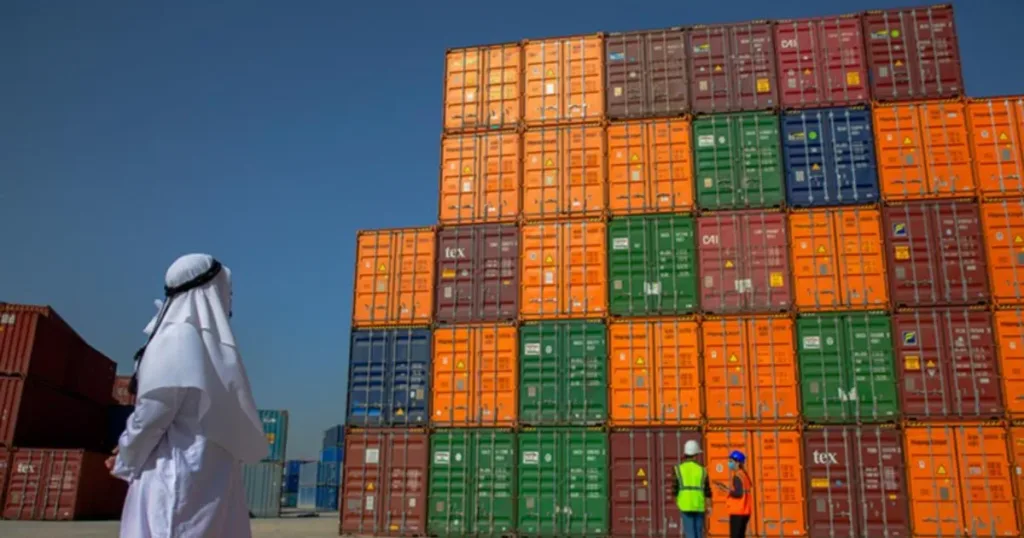
Cargo security is an important part of international shipping. Every day, businesses transport valuable products, raw materials, machinery and commercial goods across different countries. During this process, shipments pass through several locations, including warehouses, ports, terminals and distribution centres. Each stage creates a need for proper security measures to protect the cargo.
Container seals play an important role in this process. They help prevent unauthorised access to shipping containers and provide a visible indication of whether a container may have been opened during transportation. Although a seal cannot guarantee complete cargo protection, it supports better shipment monitoring and helps businesses identify possible security problems.
Understanding how container seals work allows importers, exporters and logistics companies to improve their shipping procedures. Choosing suitable seals and using them correctly can reduce security risks and support more reliable cargo transportation.
Don’t miss: Embedded Software Security Risks and Solutions
What Are Container Seals?
Container seals are security devices used to secure the doors of shipping containers after cargo has been loaded. They are designed to make unauthorised opening more difficult and provide evidence of possible interference.
Once a container is sealed, opening its doors normally requires removing or breaking the seal. If the seal number or physical condition changes during transportation, the receiving party can investigate the situation before accepting the cargo.
Container seals are commonly used for international shipments involving sea freight, road transportation and rail freight. They are particularly important when goods travel through multiple handling locations before reaching their final destination.
Most container seals include a unique identification number. This number is recorded in shipping documents and can be checked at different stages of the transportation process.
Why Container Seals Are Important for Cargo Security
International shipments may travel for several days or weeks before reaching their destination. During this period, containers can pass through different terminals, warehouses and transportation facilities.
Without suitable security measures, businesses may face risks such as unauthorised access, cargo theft, tampering or the removal of goods.
Container seals help reduce these risks by creating a physical barrier against casual or unauthorised opening. They also make it easier to identify possible interference during inspections.
For example, an exporter shipping electronic products may apply a numbered security seal after completing the loading process. When the container reaches the destination, the receiving team can compare the seal number with the information recorded in the shipping documents.
If the number does not match or the seal appears damaged, the receiving team can report the issue and arrange an appropriate inspection.
This simple procedure adds an important layer of security to international cargo transportation.
Different Types of Container Seals Used in Shipping
Not all container seals provide the same level of protection. Different shipments may require different security devices depending on their value, transportation route and risk level.
Bolt Seals
Bolt seals are widely used in international container transportation. They consist of a metal bolt and a locking body that secures the container doors.
Once applied, a bolt seal cannot normally be removed without cutting or breaking it. Each seal carries a unique identification number that can be recorded for verification.
These seals are commonly used for shipping valuable commercial goods, electronics, machinery and general cargo.
For international container shipments, businesses should select seals that meet applicable security requirements, including ISO 17712 where required.
Cable Seals
Cable seals use a metal cable that passes through the locking points of a container door. The cable is secured using a locking mechanism that prevents it from being easily removed.
These seals are useful when the locking arrangement requires more flexibility than a rigid bolt seal can provide.
They are often used for different types of cargo transportation and storage applications. However, businesses should select a suitable cable length and security grade according to the container design and shipment requirements.
Plastic Seals
Plastic seals are generally used for identification and basic tamper evidence. They are lightweight and can be applied easily to certain types of cargo packaging, storage areas and smaller transport units.
They are not a replacement for high-security container seals when stronger protection is required.
Businesses may use them alongside other security procedures to identify whether packaging or internal cargo units have been opened.
Electronic Container Seals
Electronic seals provide additional monitoring capabilities compared with traditional mechanical seals. Depending on their design, they may record opening events, transmit alerts or provide information about the container’s security status.
Some electronic systems use GPS or communication technology to support shipment monitoring.
These solutions can be useful for high-value shipments or transportation routes that require closer security supervision. However, their features and reliability depend on the specific device and monitoring system.
How Container Seals Help Prevent Unauthorised Access
One of the main purposes of a container seal is to make unauthorised access more difficult.
After cargo loading is completed, the container doors are closed and the seal is attached to the designated locking points. Once secured, opening the doors generally requires removing or damaging the seal.
This creates a visible security measure that can discourage unauthorised attempts to access the shipment.
It also helps businesses identify possible interference. If a seal is missing, broken or replaced without proper documentation, the receiving team can investigate before unloading the goods.
However, seals should not be treated as a complete security solution. They work best when combined with container inspections, controlled access, accurate documentation and reliable transportation procedures.
The Importance of Recording Seal Numbers
Every high-security container seal should have a unique identification number. Recording this number correctly is essential for maintaining shipment security.
When a container is sealed, the number should be documented and shared with the relevant parties involved in the transportation process.
This information may appear in shipping instructions, container records and other relevant shipment documentation.
At the destination, the receiving team can compare the physical seal number with the recorded details.
If the numbers match and the seal appears intact, this provides useful evidence that the container’s external security device has not been visibly disturbed.
If there is a mismatch, the issue should be reported and investigated before the container is opened.
Accurate record-keeping also helps businesses maintain accountability when several parties are involved in handling the shipment.
How Container Seals Support International Shipping Operations
Container seals are useful throughout the international transportation process because they provide a simple way to monitor the security of sealed cargo.
At the export stage, the shipper or authorised loading team applies the seal after completing cargo loading. The seal number is then recorded in the relevant shipment documents.
During port handling, the container moves through different operational areas. Security personnel and authorised staff may check the seal condition when required.
During sea transportation, the seal remains attached to the container doors. At the destination port, the receiving team can inspect its condition before arranging cargo collection.
This process supports better coordination between exporters, importers, shipping companies, freight forwarders and customs authorities.
For businesses involved in international trade, proper cargo documentation and handling procedures are important parts of maintaining shipment security. More information about shipping and logistics solutions is available at https://nobleline.ae/.
What Happens When a Container Seal Is Broken?
A broken or damaged container seal should always be treated seriously.
There may be several reasons for a damaged seal. It could indicate unauthorised access, accidental damage, an authorised inspection or a security procedure carried out by the relevant authorities.
Businesses should avoid making assumptions before investigating the situation.
The first step is to document the condition of the seal. Photographs should be taken, and the seal number should be compared with the original shipment records.
The receiving team should also check whether there is any documentation explaining an authorised seal replacement or inspection.
If the seal has been changed by customs authorities or another authorised party, the relevant replacement details should be recorded.
Where there is no clear explanation, the shipping company, freight forwarder and other responsible parties should be informed. The cargo may need to be inspected before final acceptance.
Maintaining proper records during this process can help businesses understand what happened and support any necessary claims or investigations.
Best Practices for Using Container Seals
Using a container seal correctly is just as important as selecting the right type. A suitable security device may not provide the expected protection if it is applied incorrectly or its identification details are not recorded.
Inspect the Container Before Loading
Businesses should inspect the container before placing goods inside. The doors, locking mechanisms, walls and floor should be checked for visible damage or signs of previous interference.
This inspection helps identify potential security issues before the shipment begins.
Use the Right Seal for the Shipment
The seal should match the security requirements of the cargo and transportation arrangement. High-value shipments may require certified high-security seals, while lower-risk applications may use other suitable devices.
Businesses should also check the relevant shipping and regulatory requirements before selecting a seal.
Record the Seal Number Accurately
The seal identification number should be recorded immediately after application. Staff should double-check the number before including it in shipment documentation.
Even a small recording mistake can create unnecessary problems when the container reaches its destination.
Check the Seal During Cargo Handover
When containers are transferred between transportation providers or handling facilities, their external condition should be checked where procedures allow.
Any visible damage or unusual change should be reported and documented.
Train Staff in Security Procedures
Employees involved in loading, sealing and cargo handling should understand how container seals work.
They should know how to apply the device, record its number and identify possible signs of tampering.
Proper training helps reduce avoidable mistakes and improves consistency across shipping operations.
Common Mistakes Businesses Should Avoid
Some cargo security problems occur because businesses do not follow basic sealing procedures.
One common mistake is using an unsuitable seal for the shipment. A basic plastic identification seal, for example, should not be treated as equivalent to a certified high-security bolt seal.
Another problem is failing to record the correct identification number. If the recorded number does not match the physical seal, verification becomes difficult.
Businesses should also avoid applying seals before completing the loading process. Once the cargo is loaded and the container doors are closed, the seal should be attached according to the appropriate procedure.
Ignoring damaged seals is another serious mistake. Even when damage appears minor, it should be investigated and documented.
Finally, companies should not rely on container seals alone. Security checks, reliable transport arrangements, cargo tracking and proper documentation remain necessary for effective shipment protection.
How Technology Is Improving Container Security
Shipping security is becoming more advanced as logistics companies adopt digital monitoring systems.
Traditional container seals provide basic physical protection and visible evidence of tampering. However, technology-based solutions can provide additional information during transportation.
Electronic seals may support remote monitoring and generate alerts when unauthorised opening is detected. Some systems can also provide location information or connect with wider cargo tracking platforms.
These tools can help businesses monitor high-value shipments and respond more quickly when a security issue occurs.
However, technology does not remove the need for physical inspections and accurate records. Businesses should use digital systems alongside established cargo security procedures.
Conclusion
Container seals play an important role in maintaining cargo security during transportation. They help discourage unauthorised access, provide visible evidence of possible tampering and support the verification of shipments at different stages of international trade.
Choosing the right seal, recording its identification number and checking its condition during cargo handovers can help businesses improve their security procedures.
However, a container seal alone cannot guarantee that cargo will remain completely secure. It should be used alongside container inspections, proper documentation, reliable transportation arrangements and trained personnel.
By following these practices, businesses can reduce avoidable security risks and improve confidence in their international shipping operations.


Leave a Reply