
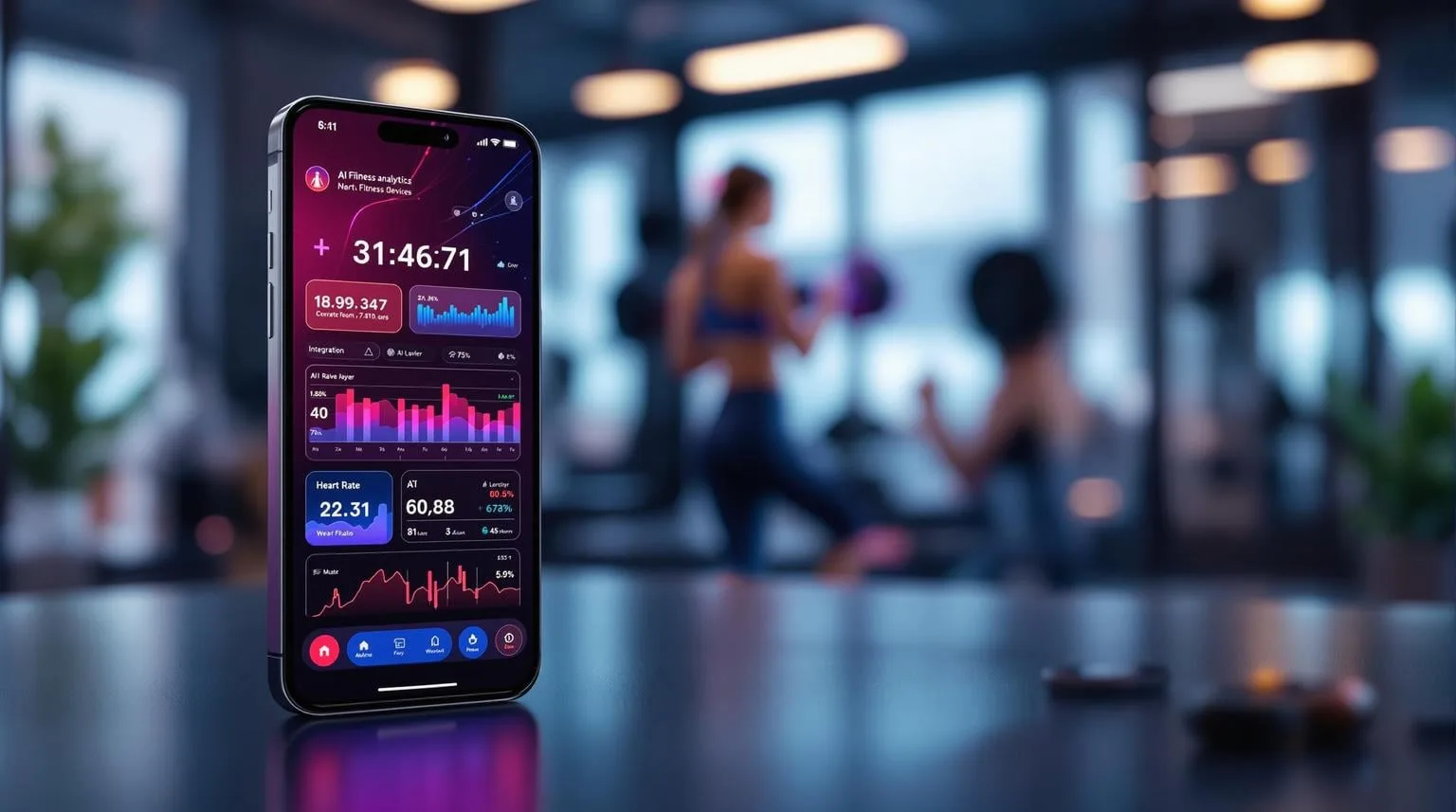

Mobile technology has changed the way people approach health and exercise. Today, smartphones are not just communication devices. They act as personal assistants, data trackers, and performance monitors. FYT takes this a step further by combining mobile innovation with proven fitness science to help users track performance in a simple but accurate way.
Instead of offering long training plans, FYT focuses on measurable results. Through a structured Universal Fitness Test, the app converts physical effort into clear data, helping users understand their true ability.
The Role of Mobile Technology in Modern Fitness
Smartphones enable real-time tracking, data storage, and performance comparison. FYT uses mobile sensors, timing systems, and digital analytics to ensure each repetition during the 7 minute fitness test is counted and evaluated properly.
Because the test runs inside a mobile environment, results are recorded instantly. This removes guesswork and provides consistency. When users want to measure their fitness level, they need reliable tracking. Manual counting or memory-based tracking often leads to inaccuracy. FYT eliminates that problem by automating the process.
The app interface is simple, but behind it is a system that captures effort and converts it into measurable output.
Fitness Science Behind the Universal Fitness Test
Technology alone is not enough. Accuracy depends on scientific structure. The universal fitness test in FYT is designed around functional body movements that evaluate endurance, strength, and cardiovascular capacity.
Push ups test upper body endurance. Squats evaluate lower body strength. Burpees combine full body movement with heart rate demand. Together, these exercises form a structured bodyweight fitness test that reflects overall performance.
Because it is standardized, it works as a reliable fitness benchmark test. Each user completes the same format under the same time structure. This consistency is what makes comparisons meaningful.
Turning Effort into a Clear Fitness Score
After completing the test, FYT converts performance data into a single fitness score. This number is not random. It is calculated using repetition count, time control, and normalization factors such as age and gender.
This scientific approach ensures fairness. A 20-year-old athlete and a 40-year-old beginner are not judged on identical raw numbers. Instead, the system adjusts expectations to create balance.
The result is a clear, easy-to-understand fitness score that reflects real ability. Users no longer need to guess where they stand physically.
From Data to Fitness Ranking
Tracking numbers becomes more motivating when comparison is involved. FYT uses collected data to generate a structured fitness ranking system.
After each completed 7 Minute Fitness Test, users can see how they compare locally and globally. This ranking encourages progress. When people search for how fit I am, they often want a comparison, not just a number. FYT delivers both.
The fitness ranking feature turns performance tracking into a competitive but healthy challenge. Users can monitor improvement while understanding how they stand among others.
Why Bodyweight Testing Works in a Digital Environment
Some believe that advanced gym equipment is required for accurate measurement. In reality, a structured bodyweight fitness test can provide dependable data when guided by science and technology.
Bodyweight movements reduce variables. There are no machine settings, weights, or equipment differences. This creates a clean testing environment. When combined with mobile tracking, the test becomes repeatable and consistent.
FYT uses this advantage to maintain fairness in its fitness benchmark test structure. The mobile app ensures timing accuracy, while the exercises ensure full body engagement.
Accurate Performance Tracking Through Retesting
Measurement is valuable only when repeated. One session provides a snapshot. Multiple sessions provide a trend.
FYT encourages users to retake the universal fitness test weekly. Each attempt updates the personal fitness score and adjusts the fitness ranking accordingly.
Over time, users can clearly measure their fitness level by reviewing performance history. This long-term tracking transforms a simple test into a performance management tool.
Because the process is short and structured, consistency becomes easier. The 7-minute fitness test format reduces excuses and increases repeat usage.
Answering the Question: How Fit Am I
Many online tools claim to offer a how fit am I test, but most rely on questionnaires or rough estimates. FYT uses measurable physical output instead.
By completing the scientifically designed bodyweight fitness test, users receive results based on real movement and endurance. This creates trust in the system.
The combination of mobile precision and exercise science allows the app to provide meaningful feedback. Instead of vague categories, users receive a clear fitness score backed by structured data.
How FYT Blends Science and Simplicity
One of the strongest aspects of FYT is balance. The science operates in the background while the user experiences simplicity.
The fitness benchmark test feels straightforward, yet it is built on structured methodology. The fitness ranking system appears motivating, yet it is supported by normalized calculations.
By combining mobile analytics with exercise science, FYT ensures that users can confidently measure their fitness level without complicated tools or lengthy sessions.
Conclusion
FYT demonstrates how mobile technology and fitness science can work together to deliver accurate performance tracking. Through a structured universal fitness test, users complete a focused 7-minute fitness test that evaluates full-body capability.
The scientifically calculated fitness score, competitive fitness ranking, and repeatable bodyweight fitness test structure create a reliable fitness benchmark test for anyone seeking clarity.
For those searching for a true how fit am I test, FYT offers an answer based on measurable effort, digital precision, and consistent methodology.






Leave a Reply