

For many people, exploring nature has always come with a hidden entry requirement: knowledge. A walk through a wood or along a riverbank is pleasant on its own, but it becomes far richer when you know what you are looking at. Traditionally, that knowledge came from field guides, local experts, or years of practice. Smartphone apps are changing that. With a phone camera and the right software, someone on their first nature walk can identify plants, recognise birdsong, and record what they find. This shift is quietly making the natural world more accessible to people of all ages and backgrounds.
Read also: How Mobile Apps Are Making Product Safety Alerts Track
Nature Without the Field Guide
Field guides are wonderful, but they can be intimidating. A beginner trying to identify a wildflower might flip through hundreds of illustrations, unsure which features matter. Identifying a bird from its song using a book is harder still. Many people give up before they start, assuming nature study is only for specialists.
Apps reduce that barrier dramatically. Point a camera at a flower, and the app suggests what it might be. Record a few seconds of birdsong and get a likely match. The experience is immediate and encouraging, which matters a great deal for keeping people interested long enough to learn more.
Lowering the Barriers to Getting Outdoors
Accessibility in nature is not only about knowledge. Cost, confidence, and time all play a part. Specialist equipment such as binoculars, cameras, and recording devices can be expensive. Smartphones, which most people already carry, cover much of that ground.
Apps also help with confidence. People who feel uncertain in natural settings, perhaps because they grew up in cities or never had the chance to learn, can explore at their own pace without needing to ask anyone for help. Families can turn an ordinary walk in the park into a game of spotting and naming species. Older people with limited mobility can enjoy identifying the birds that visit a garden feeder, without travelling far at all.
Apps in Parks and Public Green Spaces
Public green spaces are where most people encounter nature, especially in towns and cities. Parks, commons, canal paths, and local nature reserves host a remarkable range of species, much of it overlooked.
Smartphone apps support ecological monitoring for parks by making it easier for visitors and volunteers to record what they see. When many people log observations in the same space, park managers gain a much better picture of which species are present, where they are found, and how populations change over time. That information can guide decisions about mowing schedules, tree planting, and how to manage areas for wildlife.
Volunteer groups already do valuable survey work in many parks. Apps make their records easier to collect, store, and share, and they allow occasional visitors to contribute too.
Beyond Recreation: Farmers and Land Managers
Nature apps are not only for weekend walkers. People who manage land for a living are finding them just as useful. Farmers, estate managers, and conservation staff all need to know what lives on the land they look after, whether to meet environmental scheme requirements, protect habitats, or simply make better decisions.
A biodiversity app for farmers can help record hedgerow birds, field margin wildflowers, and pollinators without the need for a dedicated survey team. For conservation teams, a habitat mapping tool for land managers links observations to specific places on a map, showing where important habitats are and how they are changing from season to season.
One Example of an All-in-One Approach
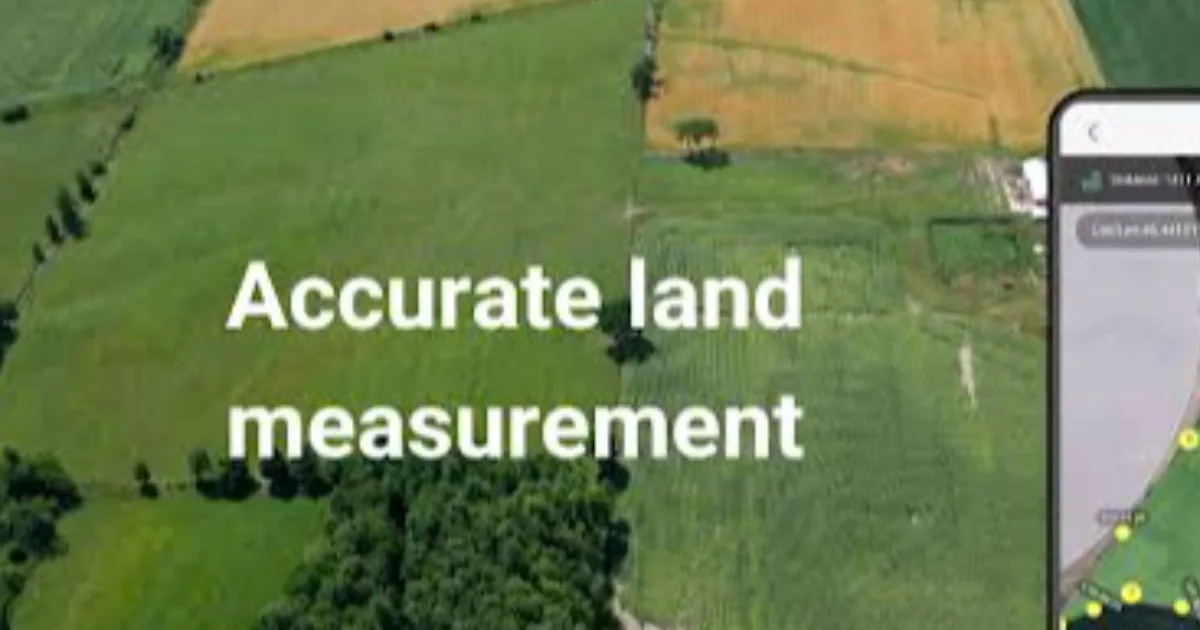
EcoPlot, developed by MillPont, brings several of these functions together. Users can map land on satellite imagery and select field or parcel boundaries, then record plant and wildlife observations within those areas. It offers species identification, bird and wildlife sound identification, and information on native and invasive species.
For people who want to go further, the app also includes field journals for environmental documentation and supports community collaboration, so observations can be shared. Landowners can upload soil test reports and receive AI-powered ecological recommendations, which helps connect what they observe with practical steps for looking after the land.
What stands out is the way the same tool can serve a curious beginner and an experienced land manager. A walker can use it to name a bird. A farmer can use it to build a multi-year record of biodiversity across their fields.
Sparking Curiosity in Children and Schools
Children are natural explorers, and smartphone apps can give that curiosity a direction. A school group identifying trees in the playground or recording birds on a field trip learns far more when every discovery has a name and a place on a map. Teachers can use these activities to bring biology, geography, and even maths into the outdoors, counting species, comparing habitats, or charting how sightings change through the term.
For families, apps offer a simple way to turn screen time into outdoor time. A phone that might otherwise be used for games becomes a tool for discovering what lives in the local park or along the canal. Many adults who care deeply about nature trace that interest back to a childhood moment of discovery, and making those moments easier to come by could shape how the next generation values green spaces.
From Personal Hobby to Shared Knowledge
Individual records have value on their own, but they become far more powerful when combined. Citizen science projects in the UK and elsewhere have long relied on volunteers to count birds, butterflies, and plants, and the resulting data has helped researchers follow population changes across the country.
Smartphone apps make it easier for more people to take part. Records arrive with accurate locations and dates, photos can support identifications, and data can be gathered throughout the year rather than on a single survey day. The more people contribute, the clearer the picture becomes of how wildlife is faring in towns, parks, and the wider countryside. For many contributors, knowing that a quick record made on a lunchtime walk might help protect a species is a powerful reason to keep going.
Exploring Responsibly With Nature Apps
Easier access to nature brings responsibilities as well as benefits. A few principles help keep exploration positive for both people and wildlife:
- Keep your distance. Getting a good photo is never worth disturbing nesting birds or trampling delicate plants.
- Stay on paths where asked. Many reserves protect sensitive areas by keeping visitors to marked routes.
- Avoid playing recorded birdsong to attract birds, particularly during the breeding season, as it can cause stress.
- Treat identifications as suggestions. Apps are helpful, but they can make mistakes, especially with rare or similar-looking species.
- Share sightings of rare species carefully. Publishing the exact location of a rare plant or nesting bird can put it at risk.
Conclusion
Smartphone apps have opened up nature exploration to people who once felt shut out by a lack of knowledge, equipment, or confidence. They turn walks into learning experiences, help volunteers and park managers monitor green spaces, and give farmers and land managers practical ways to record life on their land. Tools such as EcoPlot show how identification, mapping, and recording can come together in one place. Used thoughtfully, these apps do more than make nature easier to explore. They help more people care about it.





Leave a Reply