
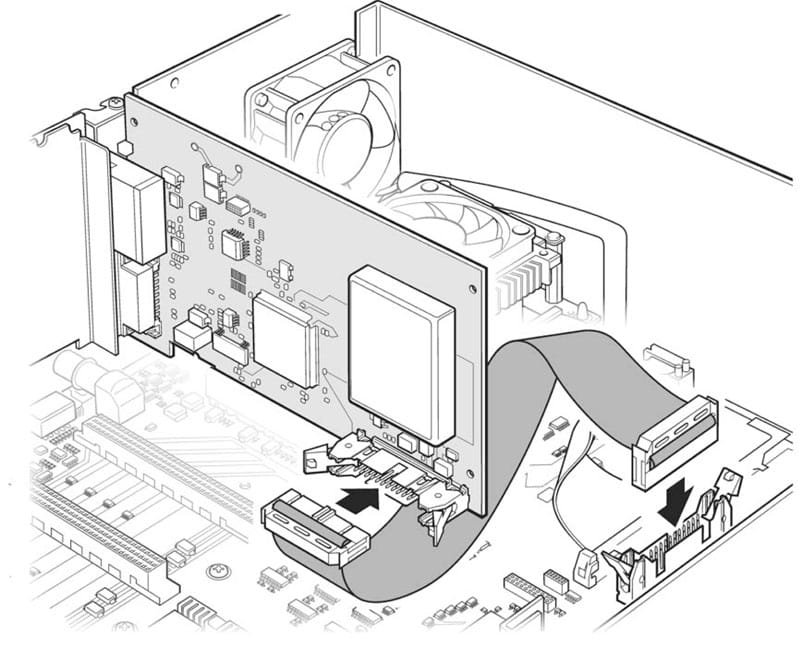

In today’s fast-paced and highly technical business environment, clear communication is no longer a luxury—it is a necessity. Companies across industries deal with complex products, intricate systems, and detailed processes that cannot always be explained effectively through words alone. This is where professional technical illustrations play a vital role. They transform complicated concepts into visual formats that are easier to understand, follow, and apply.
From engineering firms and manufacturers to healthcare providers and software companies, businesses increasingly depend on visual precision to improve understanding, reduce errors, and enhance user experiences. Professional technical illustrations serve as a bridge between expert knowledge and practical comprehension, ensuring that information is communicated accurately and efficiently.
Turning Complexity into Clarity
One of the primary reasons businesses rely on professional technical illustrations is their ability to simplify complexity. Technical data, mechanical structures, and operational processes can be overwhelming when presented in text-heavy manuals or documentation. Visual representations break down these complexities into clear, digestible components.
A well-crafted illustration can show how parts fit together, how a system operates step by step, or how a procedure should be performed—without requiring lengthy explanations. This clarity is especially valuable in industries such as manufacturing, aerospace, construction, and medical devices, where misunderstanding can lead to costly mistakes or safety risks.
Enhancing Product Documentation and Manuals
Accurate documentation is critical for any product-based business. Instruction manuals, installation guides, maintenance handbooks, and repair documents must be precise and easy to follow. Professional illustrations improve the usability of these materials by guiding users visually through each step.
Businesses understand that customers often skim written instructions but pay close attention to visuals. High-quality technical illustrations reduce confusion, minimize support requests, and help users complete tasks independently. This not only improves customer satisfaction but also reduces the burden on customer service teams.
Supporting Training and Workforce Efficiency
Employee training is another area where technical illustrations prove invaluable. New hires, technicians, and operators can learn faster when training materials include clear visual references. Instead of relying solely on verbal explanations or dense technical language, illustrations provide immediate context.
Visual learning accelerates comprehension, improves retention, and reduces the likelihood of operational errors. For businesses, this translates into faster onboarding, increased productivity, and fewer costly mistakes on the job. In high-risk environments, such as industrial plants or healthcare facilities, visual accuracy can directly impact safety outcomes.
Strengthening Marketing and Sales Communication
Beyond internal documentation, technical illustrations play a crucial role in marketing and sales. Many products are too complex to explain effectively through standard promotional visuals or generic photography. Technical illustrations allow businesses to showcase internal components, functional benefits, and unique design features in a clean and controlled way.
Sales teams use these visuals to explain value propositions clearly to potential clients, particularly in B2B environments. When prospects understand how a product works and why it is superior, trust increases and decision-making becomes easier. This visual clarity often shortens sales cycles and improves conversion rates.
Ensuring Accuracy and Consistency
Accuracy is non-negotiable in technical communication. Professional illustrators are trained to work closely with engineers, designers, and subject-matter experts to ensure that every visual detail aligns with real-world specifications. This level of precision is difficult to achieve with generic graphics or non-specialized designers.
Consistency is equally important. Businesses rely on professional illustration services to maintain a unified visual language across all materials—manuals, catalogs, training guides, and digital platforms. Consistent visuals reinforce brand credibility and make information easier to recognize and understand.
Adapting to Digital and Global Audiences
Modern businesses operate in global markets and digital ecosystems. Technical illustrations are uniquely suited to cross language barriers, making them ideal for international audiences. A well-designed visual can communicate instructions and concepts without relying heavily on text, reducing the need for extensive translation.
Digital compatibility is another advantage. Professional illustrations are often created in scalable vector formats, allowing them to be used seamlessly across websites, mobile apps, e-learning platforms, and interactive manuals. This flexibility supports businesses as they transition from traditional print materials to digital-first documentation.
Meeting Industry Standards and Compliance
Many industries are governed by strict regulations and documentation standards. Compliance often requires detailed visual documentation to demonstrate proper usage, safety procedures, or system configurations. Professional technical illustration services help businesses meet these requirements with confidence.
Clear, compliant visuals reduce the risk of misinterpretation during audits, inspections, or legal reviews. They also serve as evidence of due diligence, showing that a company has taken the necessary steps to communicate information responsibly and accurately.
Long-Term Cost Efficiency
While some businesses initially view professional illustration as an added expense, it often proves to be a cost-saving investment in the long run. Clear visuals reduce product returns, minimize user errors, lower support costs, and decrease training time. They also extend the lifespan of documentation by remaining relevant even as text content changes.
By investing once in high-quality illustrations, businesses can reuse them across multiple platforms and materials, maximizing their return on investment over time.
Building Trust Through Professional Presentation
Ultimately, how information is presented reflects a company’s professionalism. Poorly designed visuals or unclear diagrams can undermine confidence in a product or service, regardless of its quality. On the other hand, precise and polished technical illustrations signal expertise, reliability, and attention to detail.
This trust matters—to customers, partners, regulators, and employees alike. Businesses that prioritize clear visual communication demonstrate that they value accuracy, usability, and user experience at every level.
Conclusion
In an increasingly complex and competitive marketplace, businesses cannot afford miscommunication. Professional technical illustrations provide clarity where words fall short, supporting documentation, training, marketing, compliance, and customer satisfaction. They help organizations communicate complex ideas simply, accurately, and consistently.
As products and systems continue to evolve, the reliance on professional visual communication will only grow. For businesses seeking efficiency, credibility, and clarity, investing in expert technical illustration is not just beneficial—it is essential.






Leave a Reply